
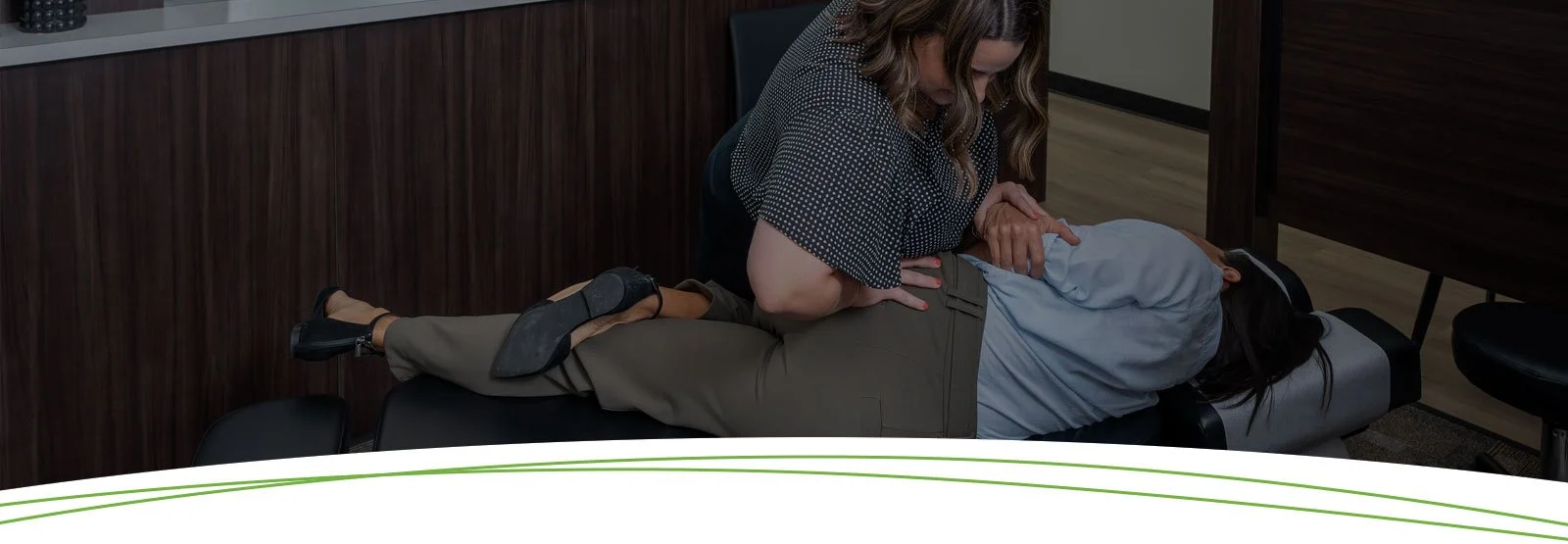
A spinal adjustment, also referred to as chiropractic adjustment or spinal manipulation, is one of several treatments that can be used by a chiropractor to help relieve back pain, neck pain and even pain in other areas of the body such as headaches or sciatica.
If you suffer from back or neck pain that interferes with your daily life, talk to our team at Village Chiropractic. We will talk about the type of pain you’re experiencing to determine if spinal adjustments or other chiropractic treatments can help you relieve pain and gain better mobility.
Learn more about how to relieve back pain without surgery.
What is a Spinal Adjustment?
A spinal adjustment relieves pressure on the spine by repositioning joints and vertebrae to their proper positions. This should only be done by a trained chiropractor who knows how to apply pressure to the right areas in order to get the results needed for a patient.
Why are Spinal Adjustments Done?
There are a few different reasons we perform spinal adjustments.
For some patients, it’s part of a treatment plan to relieve back pain, neck pain, headaches, sciatica or another condition that needs addressing.
Other patients come in for a regular adjustment as preventative care by keeping the spine aligned and maintaining good blood flow.
Whatever your needs, our goal is to help stimulate the healing process of your body in the most holistic, non-invasive way possible. Depending on your specific situation, we may recommend combining spinal adjustments with other treatments such as electric muscle stimulation or cold laser therapy to relieve pain, and avoid or delay the need for surgery for many patients.
What to Expect During a Spinal Adjustment
You’ll be brought to a private room in our office in The Woodlands and asked to lie on a table and positioned comfortably. It’s important to relax and be comfortable when being adjusted.
One of our experienced chiropractors will place their hands on your back and/or neck and perform the adjustment. It will take only a moment or two. Many patients experience a “popping” sound and/or feeling when getting adjusted. While this may sound and feel alarming to you, rest assured, it is completely normal and nothing to worry about.
The popping is caused by joint tissues that are stretched during a chiropractic adjustment. These joints are surrounded in a fluid that contains small pockets of air or bubbles. The pockets of air "pop," resulting in a cracking sound.
Some patients feel immediate relief after a spinal adjustment, while others feel slight discomfort in the spinal joints or soreness in the back muscles for about a day.

Benefits of a Spinal Adjustment
Chiropractic care can be an effective and natural treatment option that can offer many benefits including:
Back pain relief
Neck pain relief
Relieving headaches
Improved circulation
Improved mobility
Promote faster recovery process, especially from sports injuries
Improved nervous system
Reduced inflammation throughout the body
No medication involved
Minimal risk of any side effects
Improved overall health and wellness
Frequently Asked Questions About Chiropractic Adjustments
-
Chiropractic adjustments are generally considered safe for appropriately selected patients when performed by a licensed chiropractor. Your chiropractor will review your health history and evaluate your condition to determine which techniques are appropriate for you
-
Most adjustments should not be painful, although you may feel pressure or brief discomfort depending on the area being treated and your condition. Your chiropractor can modify the technique based on your comfort level and individual needs.
-
The popping or cracking sound that sometimes occurs during an adjustment is typically caused by changes in pressure within a joint that release dissolved gases. An adjustment does not have to produce a popping sound to be effective.
-
There is no single schedule that is appropriate for everyone. How often you receive adjustments depends on your condition, symptoms, goals, response to treatment, and overall health
-
Some people experience temporary soreness or stiffness after an adjustment, particularly when beginning care. This is generally mild and short-lived. Tell your chiropractor if you experience significant or persistent discomfort.
-
Response to treatment varies. Some patients notice changes quickly, while others with chronic or more complex conditions may need multiple visits before noticing meaningful improvement.
-
Your chiropractor may recommend staying hydrated, maintaining normal gentle movement, completing prescribed stretches or exercises, and temporarily avoiding activities that aggravate your symptoms. Follow any instructions specific to your treatment plan.
